
First of all, thank you for stopping by! I hope you find the content of this site helpful.

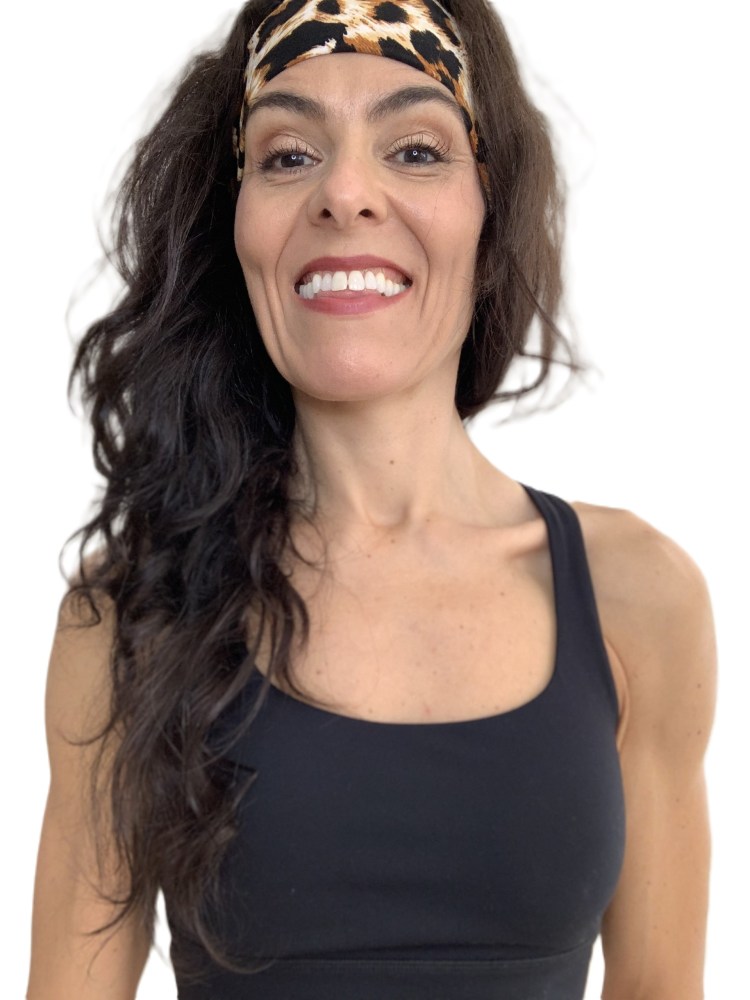
My name is Isabel. As a Holistic Nutritionist and a Health and Wellness Coach, I am really passionate about empowering people to optimize their quality and quantity of living – their health spam – through a comprehensive approach including food, exercise, and all the other areas of wellness, like stress management, sleep, career, or social connections.
I am passionate about the topic because I have personally experienced the amazing things that a global approach to wellness can do for us. It can take us from surviving, to thriving.
How did I get into Nutrition?
My first incursion into the Health and Wellness coaching field was Nutrition, and it was driven by personal reasons.
I am middle-aged woman that has always been interested in health and fitness, even if my career developed in a totally different field. Throughout my adult life I kept a relatively healthy lifestyle, eating variety of whole foods and exercising. However, I still dealt with some minor chronic conditions like dyslipidemia (high cholesterol) or inflammatory skin issues. Nothing really mayor, but annoying.
As I approached the perimenopausal age, I also noticed that my body was starting to change, and I was putting additional fat around my waist. I knew this type of fat could be detrimental to my health.
On the other hand, I expected that eventually I would need to start taking medication to regulate my cholesterol levels. I am aware that side effects of statins, the most common drug for cholesterol, are unpleasant and common. I had heard too that there’s not much you can do with food regarding cholesterol levels, because your liver makes most of it. Therefore, I had never even thought about changing my diet to manage it. Not worth giving up cheese!
One day I was listening to a podcast, when the interviewer asked a nutritionist about the diet he would recommend for cancer protection. The response was a rotund “plant-based diet”. And I listened. And soon after I decided that I would give it a go, in the “flexitarian” version. This means that your diet mainly revolves around plants, but you still eat animal products occasionally.
And suddenly I started to feel better. My cholesterol levels improved. The waist fat went away. I had more energy, better digestions, less bloating, better sleep, more mental clarity – plus LOTS of fun researching and cooking plant-based recipes. Progressively, as I was feeling better and learning more about the impact that our food choices have on our health, the animals and the environment, I transitioned into a fully plant-based diet.
I had discovered the power of food. Even better, I had discovered the eating pattern that works for me and aligns with my values.
Why Holistic Nutrition?
Plant-based diets are not necessarily healthier if done wrong. I decided that I wanted to do things right, and that I needed some training, and perhaps use the knowledge not just for me and my family, but for the community. I decided to get a certification in Nutrition.
After some research of the available options, I concluded that holistic nutritionist fitted me the best, due to its comprehensive perspective, including exercise, mindfulness and more, things that I was already incorporating in my routine and that I considered beneficial. And that’s how I got my certification. If you are interested in learning more about what holistic nutrition is, feel free to check this blog post.
I’ve gone through the process myself and learned a lot along the way. A lot that I can share with you so you can thrive as well. Thrive by the slice – of yummy foods. Foods that work for you, not against you.
My nutrition philosophy is borrowed from Michael Pollan:
Eat Food. Not too much. Mostly Plants.
In short, it means to eat whole foods, the right amount to support our constitution and activity level, and built mainly on products that growth from the Earth, but not exclusively. I explain this approach further in this blog post.
Personally, I don’t think that going fully plant-based is necessary to ward off disease. It is a personal choice, for many people because of moral and sustainability reasons in addition to health. It is my current choice, because it works for me, but it doesn’t have to be yours.
There’s more to Wellness than Food
To me, it was a natural evolution to continue my wellness education and pursue a certification as a Health and Wellness Coach, to expand my knowledge in areas less directly related to food like intellectual wellness (although all is actually related to some degree). All that I learned during this second certification helped me understand myself even better, and see the real impact that all areas of holistic wellness actually have in our well-being.
For example, if you are having issues at work (occupational wellness), this can raise your stress levels, which can influence how you interact with others (social wellness), your mental health (anxiety), even your physical health, if you start resorting to ultra processed food that you can easily heat in the microwave instead of cooking from scratch. Or feeling disconnected with your community (community wellness) can make you less prone to build connections at work, impacting your occupational wellness. Or lack of intellectual wellness can result is less productivity at work because, for example, you don’t feel up to updating your skills, and this can increase stress levels, and in consequence impact your physical, mental and social health.
Holism takes into consideration the whole person. It recognizes that human wellness is complex and multifaceted. We are not just a job, a religion, a body, a mind, a tittle. All is related.
Currently, I am diving deeper into professional and business coaching. Both fields are closer than one may think. For example, topics like work-life balance or occupational wellness can be approached from both coaching fields.
Creating long-lasting Lifestyle Habits
It is demonstrated that we do things because we have the internal motivation to do them. Basically, we want to do those things, it’s our choice. It is not something that we are told to do, or something we think we “should” do, or comes from a external motivation – like a fitness challenge or a doctor recommendation. This might work short term, and can even be a good kick-start, but it’s not going to necessarily lead to sustained behavior changes.
The beauty of health and wellness coaching is that it helps you exactly this way. We will help you find your why, your motivation, the tools in your toolbox. The result? Positive lifestyle interventions that are sustained in time. What interventions are these? You choose!
Ready to start our journey together?
Important note
The information shared on this website is for general educational purposes only. It is not meant to diagnose or treat any health condition. Please always check with a healthcare provider before implementing any lifestyle change.
 thrivebytheslice.com