
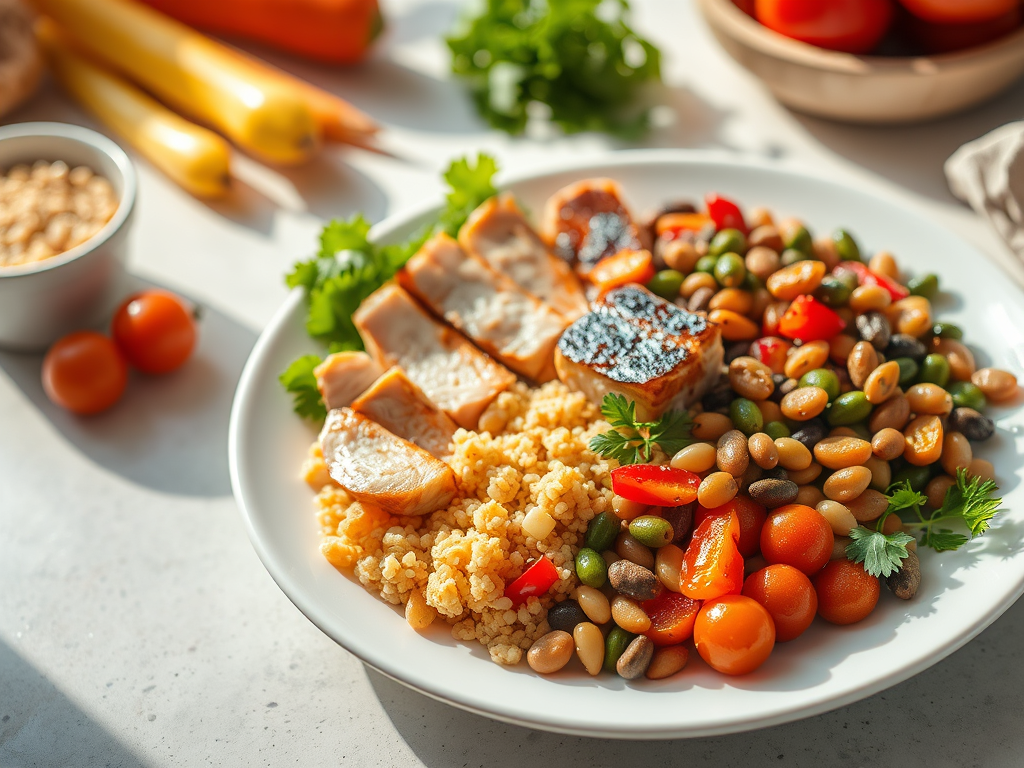
Part 2 – Nutrition deep dive
This article is the second in the series about how to maintain and build muscle mass. In part 1, which can be found here, I introduced protein and energy as the two key dietary factors, which I will discuss in more detail now.
Daily protein needs to support muscle mass
The minimum protein recommendations to avoid deficiencies is 0.8x grams of protein per kg of body weight per day. With this formula, an individual who weights 70 kg needs 56 g of protein per day. This baseline recommendation has been used for a long time and it is backed up by international health organizations, like the WHO.
However, research shows that this may not be optimal for some populations, including those trying to build muscle (hypertrophy). The updated recommendation per the Dietary Guidelines for Americans (DGA) 2025-2030 is 1.2x-1.6x grams per kg for body weight per day. Amounts up to 2.5x grams per kg for body weight seem to be safe for most people.
Therefore, to maintain and build muscle, my recommendation is to stay in the middle-upper range, between 1.6x-2x grams of protein per kg of body weight per day. Our 70 kg individual would need 112- 140 g of protein per day for optimal muscles mass support.
Our bodies cannot store protein that is not immediately needed for muscle support or other functions. For this reason, protein needs to be consumed throughout the day. Ideally, we want to aim for 20-30 g of protein in each main meal, and about 10 g per snack.
If we exceed our protein needs, the excess will be eliminated and can overload the liver, kidneys and other body systems. For most people with a correct protein absorption, there is no need to go above 2x in my opinion. One exception could be the oldest populations, whose metabolism is typically less efficient.
Animal protein or plant protein?
Both animal products and plant products do contain protein, and each food group has specific characteristics. Examples of animal protein are meat, poultry, seafood, eggs and dairy. Examples of plant-based protein are legumes, beans, whole grains including wheat, soy, nuts and seeds
Animal protein has better bioavailability, meaning that the body is able to use it more effectively. It also contains all the protein building blocks that our body cannot make (the 9 essential amino acids). Along with animal protein, we usually get saturated fat and cholesterol, no fiber, and even traces of hormones or antibiotics. Cattle farming also has a significant environmental impact and is detrimental for animal welfare.
Plant based protein, on the other hand, can have lower bioavailability due to the presence of fiber and other phyto chemicals that can hinder the absorption. Some vegetables like quinoa, buckwheat, hemp seeds or soy do contain all the essential amino acids in the right amounts to be considered complete, but other vegetables like rice or lentils do no contain enough amount of specific essential amino acids, that’s why consuming variety of plant-based protein sources is key in plant-based diets. Plant-based proteins come in a nice package including some key vitamins like folate, fiber and other protective phytonutrients and antioxidants like anthocyanins, not found in animal products.
Given the unique benefits that each protein source provides, per the updated DGA 2025-2030, both types of proteins need to be included in the diet.
Tips to optimize plant-based protein consumption
For those choosing not to to consume animal products for ethical or personal health reasons, it is perfectly OK to consume plant-based protein only. Some practical tips can be implemented to improve absorption:
- So-called antinutrients are components in food that reduce bioability. Antinutrients can be reduced significantly through soaking, boiling, and sprouting. For this reason, it is recommended to always soak beans, legumes and even lentils. This also helps with digestibility. Sprouting further increases bioability.
- Always cook beans, legumes and lentils until soft (no al-dente beans!).
- Tannins are found in coffee, tea, chocolate, and dark-colored fruits like blueberries or grapes. Even if these have known health benefits due to their antioxidant activity, they may also limit protein absorption. Therefore, be mindful about consuming these drinks and foods along with protein.
The important of amino acid Leucine
Leucine is one of the nine essential amino acids that we need to get from food. It plays a key role in protein synthesis and muscle repair and growth. Current recommendation is 42 mg/kg/day (3 grams for our 70 kg person). Some populations with altered protein synthesis metabolism or older than 60 years old many need significantly more, close to twice more.
Leucine deficiencies are rare, even in plant-based diets. Examples of foods high in leucine are beef, lamb, turkey, lentils, soybeans, and chia seeds. In any case, it is worth monitoring leucine intake, if muscle building is your goal. There are multiple apps available for this; my favorite is Cronometer.
Other nutrients important for muscle gains
Protein is king, but there are two additional nutrients that can make or break your muscle building plan:
- Whole grains: foods like quinoa, bulgur, farro, buckwheat, barley, rice, teff, and other ancient grains not only contribute to protein intake, but also provide beneficial fiber, vitamins and minerals. They also release sustained energy, which is critical to sustain the exercise needed for muscle stimulus. We will discuss exercise in the next article.
- Whole fats: by this, I mean whole foods high in fat and ideally in ALA, EPA and DHA Omega-3 fatty acids, like low-mercury fatty fish (salmon, anchovies), walnuts, chia seeds, flax seeds or hemp seeds. Additional good sources are avocados and other nuts (almonds, cashews, etc.) and seeds (pumpkin, sunflower, etc.). This way, we get top nutrients like protein, vitamins or fiber along with the fat. Oils, even extra virgin types, have been stripped from most of these additional nutrients and are just a very dense form of energy with some vitamins. It is not necessary to avoid fats, but my recommendation is to limit them as much as possible and opt for whole foods high in fat instead, to cover our daily fat needs.
How much energy is needed to build muscle mass?
In order to put lean weight on, that is, build muscle, we need to eat more than we spend.
A small, consistent calorie surplus enough to support muscle protein synthesis without driving excessive fat gain is recommended. In general, 10-15% additional calories above maintenance needs is considered appropriate. This is typically about 200-300 kcal on top of our baseline.
More calories won’t necessarily lead to further gains, and can lead to increased fat gain. Along muscle, some fat gain is expected, but ideally this should be minimal. If desired, fat can be lost once the target muscle mass is achieved, with a high protein, low calorie diet.
You can use this online calculator to estimate your maintenance calorie needs, and then add 200-300 kcal for muscle gain. If your goal is to maintain muscle mass, you can use the baseline with no additions.
3-day omnivore eating plan for muscle support
The following 3-day eating plan is tailored for muscle gain, for a 70 kg omnivore. It includes animal and plant proteins, plenty of fruits, vegetables, and grains. Saturated fats are limited to less than 10% of total calories. All foods are whole foods, with the exception of the protein powder used in the smoothie.
The plan aims for about 126 g protein per day (1.8 g × 70 kg) and 2,400–2,600 kcal per day (total: baseline + surplus).
DAY 1
Breakfast: Greek yogurt bowl (35 g protein)
- 250 g plain low-fat Greek yogurt
- 40 g rolled oats
- 1 cup mixed berries (or other fresh fruit)
- 1 tbsp hemp or chia seeds
Lunch: chicken, quinoa & veggie bowl (40 g protein)
- 150 g (5 oz) grilled chicken breast
- ¾ cup cooked quinoa
- Roasted low-starch veggies like zucchini, bell pepper, red onion
- Seasoning: lime juice, garlic powder and oregano.
Snack: apple + nut butter + cottage cheese (20 g protein)
- 1 medium apple with 1 tbsp natural almond or peanut butter.
- 150 g low-fat cottage cheese
Dinner: salmon with grains & greens (30 g protein)
- 130 g (5 oz) salmon (baked, broiled, steamed or grilled)
- Steamed veggies like broccoli and carrots
- 1 cup cooked brown rice
- Seasoning: lemon juice, dill and herbs of choice.
Daily total: 125 g protein
DAY 2
Breakfast: scrambled eggs (32 g protein)
- 2 whole eggs + 2 egg whites, scrambled with spinach, mushrooms and tomato
- 2 slices whole-grain bread like Ezekiel or Dave’s.
- 1 orange
Lunch: turkey burger & lentil salad (40 g protein)
- Patty made of 120 g/4 oz lean ground turkey (≥93% lean).
- Salad made with ¾ cup cooked lentils and vegetables such a lettuce, cherry tomatoes, cucumber, radishes; 1/4 avocado; dressed with balsamic vinegar.
Snack: green smoothie (20-28 g protein)
- 1 cup fortified plain unsweetened soy or low-fat dairy milk
- 1-2 scoops of vanilla protein powder
- Frozen tropical fruit mix (or any other fruit mix)
Dinner: tofu stir-fry (30 g protein)
- 200 g extra firm tofu
- Mixed stir fry vegetables (broccoli, snap peas, carrots)
- 1 cup cooked rice
- Cooked with ginger, garlic, turmeric, pepper and low-sodium soy, tamari or stir-fry sauce
Protein: 30 g
Daily total: 125–130 g protein
DAY 3
Breakfast: overnight oats (30 g protein)
- 1/2 cup rolled oats
- 1 tbsp ground flaxseed
- 100 g low-fat Greek yogurt
- 1/2 cup low-fat milk
- 1/4 cup almonds
- Fresh fruit
Lunch: tuna & bean salad (40 g protein)
- 1 can tuna in water (120 g / 4 oz drained) mixed with 1/2 cup mashed low-sodium white beans (beans replace the usual mayo), diced scallions, lemon juice and choice of herbs.
- Green salad: greens, tomatoes, cucumber, grated carrots, radishes.
- 1 slice of whole wheat bread like Ezekiel or Dave’s.
Snack (12 g protein)
- 2 boiled eggs
- 1 piece of fresh fruit (pear, apple…)
Dinner: lean beef & sweet potato (35 g protein)
- 120 g (4 oz) lean beef, like sirloin or round.
- Medium baked or microwaved sweet potato
- Steamed greens like green beans, asparagus or broccoli
- Olive oil spray or 1 tsp olive oil
Daily total:125–130 g protein
3-day plant-based eating plan for muscle support
This second 3-day eating plan is tailored for muscle gain, for a 70 kg vegan. It includes only plant proteins. Saturated fats are limited to less than 10% of total calories. Coconut products, common in curries and other plant-based staples, are avoided as they are a big contributor to saturated fat intake.
The plan also aims for about 126 g protein per day (1.8 g × 70 kg) and 2,400–2,600 kcal per day (total: baseline + surplus).
DAY 1
Breakfast: oatmeal (28 g protein)
- 2/3 cup rolled oats
- 1.25 cups plain unsweetened soy milk
- 1 tbsp chia seeds
- 1 cup blueberries
Lunch: tofu–quinoa bowl (38 g protein)
- 6 oz extra firm tofu, seasoned with garlic powder, salt and pepper (pan-seared or baked with minimal oil)
- Roasted broccoli & bell peppers (you can roast the tofu and veggies together)
- ¾ cup cooked quinoa
Snack: hummus toast & fruit (18 g protein)
- ¾ cup low fat hummus (home made is best)
- 1 slice of whole wheat bread, like Ezekiel or Dave’s
- Raw veggies like carrots, cucumber, radishes or celery
- 1/4 cup of roasted almonds
Dinner: lentil pasta with vegetables (42 g protein)
- 90 g (3 oz) dry red lentil pasta, cooked per package instructions
- Marinara style sauce made with onion, tomato and veggies like zucchini, mushroom and spinach
- 1 tbsp of nutritional yeast sprinkled on top
Daily total: ~126 g protein
DAY 2
Breakfast: tofu scramble & toast (32 g protein)
- Tofu scramble made with 200 g/6 oz of extra firm tofu, green onions and cherry tomatoes, turmeric, pepper and low sodium soy sauce.
- 2 slices whole-grain bread like Ezekiel or Dave’s
Lunch: chickpea & barley salad (34 g protein)
- 1.5 cups cooked chickpeas
- ¾ cup cooked barley (or other grain)
- Cucumber, tomatoes, parsley, back olives
- Dressed with red wine vinegar and Italian herbs
Snack: soy yogurt bowl (18 g protein)
- 1 cup unsweetened soy yogurt
- 1 fresh fruit of choice (peach, banana, etc.)
- 1 tbsp ground flaxseed
Dinner: tempeh stir-fry (42 g protein)
- 180 g (6 oz) tempeh
- Mixed vegetables (onion, garlic, broccoli, snap peas, carrots)
- 1 cup cooked brown rice
- Cooked with ginger, garlic, low-sodium tamari, soy sauce or stir-fry sauce
Daily total: ~126 g protein
DAY 3
Breakfast: peanut butter overnight oats (30 g protein)
- 1/2 cup rolled oats
- 1 cup plain unsweetened soy milk
- 1 tbsp hemp seeds
- 1 scoop of plain peanut butter powder (like PB Fit)
- Top with fresh banana and blueberries
Lunch: lentil & sweet potato salad (36 g protein)
- 1.5 cups cooked lentils
- 1 sweet potato, roasted or microwaved
- Leafy greens like spinach or arugula
- Dress with garlic powder, 1 tbsp tahini and lemon juice (lemon-tahini dressing)
Snack: roasted edamame and fruit (26 g protein)
- 1 cup roasted or steamed edamame
- 1/4 cup almonds
- 1 piece of fruit
Dinner: Rice and beans (35 g protein)
- 1.5 cups cooked black beans
- 1 cup cooked brown rice
- 1/4 avocado
- Choice of Salsa
- Steamed vegetables
Daily total: ~127 g protein
Conclusion
Nutrition is a key pillar for muscle maintenance and gains.
Among all nutrients, protein is the most relevant , and the recommended amount for muscle gain is 1.6-2x grams per kg of body weight per day. Whole grains for sustained energy and additional protein, and healthy fats from whole foods like avocados, nuts or seeds, are also key supportive nutrients.
For muscle gain, a daily 200-300 kcal surplus on top of the maintenance energy needs is appropriate. No surplus is needed for muscle maintenance. An online calculator can help estimate the maintenance energy needs.
Nutritional and energy needs for muscle gain can be met with either an omnivore approach, or a full plant-based approach. Plant-based diets need to ensure variety of protein source. It is recommended to soak beans and cook food well to optimize protein absorption. Snacking can be used strategically in any diet pattern to increase energy and protein intake to meet goals.
Based on all this information, I invite you to review your typical eating pattern. If needed, make the necessary adjustments to ensure that your food intake aligns with your muscle goals. You can use the two diet templates provided, one including animal products and one fully plant-based, as a reference.
Stay tuned for part 3, where I will discuss another key pillar for muscle maintenance and gain: exercise.
Keep strong,
Isabel
 thrivebytheslice.com