
October is Breast Cancer Awareness month. Before it ends, I would like to give this important cause the attention it deserves on my website. Because there is plenty we can do with our lifestyle choices to manage our risk, even if our genetic is not favorable.
Unfortunately, not everyone knows this. In a study conducted in 2024 by the Physicians Committee for Responsible Medicine, screening was the step for risk reduction mentioned by the majority of respondents (54%). Without a doubt, screening methods like mammograms and self-exams are critical and should not be skipped, but preventive actions like lifestyle choices play also a major role in risk reduction, as we will learn today. Furthermore, studies show that just a fraction of breast cancer cases are purely genetic, for the reason that our lifestyle can promote or silence the activation of genes.
With this article, my goal is to empower you with 5 simple lifestyle tips to reduce your breast cancer risk. Tips that, on the other hand, will help you in all other areas of health. A healthy lifestyle is this simple!
Here are the tips:
1 – Eat a healthy diet, with abundance of plants
2 – Exercise regularly
3 – Limit or eliminate alcohol
4 – Maintain a healthy weight
5 – Manage stress
1- Eat a health diet, with abundance of plants
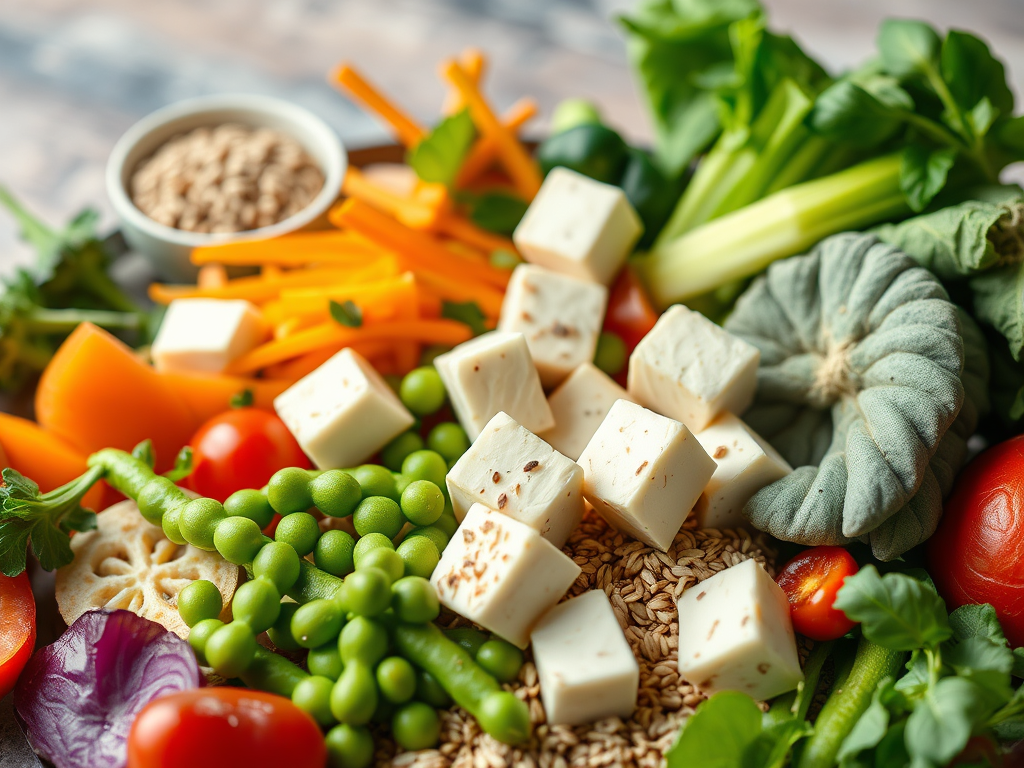
A plant-forward diet that is built around veggies, grains, beans, fruits, seeds and nuts, is usually higher in fiber and lower in calories, loaded with antioxidants and other beneficial compounds, including a moderate amount of healthy fats. The more colorful and varied, the better, as each color is associated with one benefit. Aim for at least 90% of plant-based whole foods, with a flexible 10% for occasional amounts of fish, white meat or dairy. Ideally, a 100% plant-based food is the most protective choice, as long as it is carefully planned to cover all nutrients. If you are considering a 100% plant-based diet, please check with a Nutrition specialist for guidance.
All veggies are good, but the following are specially protective. Try to include these nutrition rockstars regularly in your diet.
Soy products, like tofu, edamame, soy milk or tempeh
Soy contains a compound called isoflavones. Isoflavones, a type of phystrogens, have a structure similar to estrogen, a human hormone that has been linked to breast cancer. Isoflavones attach to a specific estrogen receptor in our cells, somehow disabling the receptor for real estrogens, and as a result reducing the sensitivity to the hormone. This is specially protective for hormone-dependent breast cancers. It can also help reduce the menopause symptoms like hot flashes, PMS or period cramps. Personally, I have experienced these favorable effects myself.
To get the highest amount of isoflavones per serving, it’s best to opt for soy product that are as little processed as possible. Edamame or soy tempeh are ideal, followed by tofu and soy milk. The recommendation is 1-2 servings a day, each serving has about 7 g protein and 25 mg isoflavones. Some examples of 1 serving are:
- 1/3 cup tofu
- 1/2 cup soy tempeh
- 1/2 cup shelled edamame
- 1 cup soy milk
Flaxseeds, and other foods high in lignans
Lignans are another type of phytostrogen with comparable benefits to isoflavones.
The best source of lignans are flax seeds, followed by whole grains, seeds, and some vegetable and fruits. The easiest way to get our daily dose of lignans is simply by adding 1 tablespoon of milled flax seed to our meals: for example, to salads, smoothies, stews or even baking. It is important to use ground flaxseeds, not whole, as the body is not efficient absorbing the lignans from the whole seed. You can buy milled flaxseeds, or grind them at home using a coffee grinder or similar.
Mushrooms, including white or button
Some studies have found that multiple types of mushrooms, including the regular white or button mushroom, can reduce the production of estrogens by reducing the so-called aromatase activity. White button mushrooms have also been shown to inhibit proliferation breast cancer cells. We can get this benefit with as little of half white mushroom per day.
Mushrooms have many other health promotion characteristics, so make sure to include them in your diet! Very important: make sure to eat them cooked. Even if raw mushrooms are edible, they are high in toxins. Heat destroys these toxins.
Tip: Asian markets usually have great variety of mushrooms at a fair price… visit your local store for a deal!
Vitamin D
Nowadays, Vitamin D is considered a hormone more than a vitamin, given the critical role that it plays in regulating multiples processes in the body. Immunity is one of them. A strong immune system can clean up problematic cells before they proliferate, therefore preventing the development of the disease.
The best source of vitamin D is the sun, as our bodies are able to synthesize it when they are exposed to sunlight. Moderate daily exposure on face and arms for 15-20 minutes is usually enough, without sunscreeen. Otherwise, you might want to take a daily 2000 UI vitamin D3 supplement, or at least during the darker months of the year, or if you live in Northern latitudes.
Other sources of vitamin D are some fortified foods, like some milks. Mushrooms can contain vitamin D as well, if they have been exposed to the sunlight. But this is quite rare. I don’t recommend to rely on mushrooms or fortified foods only for vitamin D.
Foods to avoid: ultra processed meats, most of ultra processed foods, high fat foods
So far we have been discussing protective foods, but now let’s switch to foods that have the opposite effect:
- Ultra processed meats: the causality link between hot dogs, bacon, pepperoni, and alike with cancer has been demonstrated. It is best to avoid these foods for health reasons.
- Red meat is not essential and does not do much good either. It is high in saturated fat, even the leaner cuts, and high in heme iron, which has been linked to negative health effects.
- Foods high in fat are not our friends either, as they promote weight gain (see tip #4) due to the caloric content, and other chronic diseases like diabetes or metabolic syndrome. Cheese is specially detrimental to health, due to the high content in saturated fat, cholesterol and sodium. If you eat cheese, please do it as an occasional treat – not something to sprinkle on every meal.
2 – Exercise regularly
Exercise is the best medicine. When we exercise, protective and anti-inflammatory compounds are generated, that shield us from many illnesses, including cancer.
Cancer patients undergoing treatment also show better tolerance and less side effects when they exercise, as tolerated and prescribed by a professional.
Exercise helps us achieve and keep a healthy weight, which is another protective factor.
If you are not exercising already, please try to find something that you enjoy and do it consistently. Walking is usually an accessible option for most people, that requires minimum equipment, just a good pair of shoes, and can be done anywhere. Start slowly, with 10-15 minutes and increase little by little, first in duration, then in intensity.
Consider also strength training, at home with your own body weight and exercises like squats, lunges, push-ups or planks, and progress to hand weights or elastic bands. Working with a professional either at a gym or with personal trainer is a good idea, specially in the beginning, to learn proper technique. Then you can continue on your own.
Exercise also contributes to keep our muscle mass, that is vital for our life quality as we age. Muscle, unlike fat, is an extremely metabolic active tissue that needs energy and helps us keep a healthy weight and burn more, even at rest.
Current exercise recommendations for health are at least 150 minutes of moderate exercise per week, like brisk walking, and 2 strength sessions.
3 – Limit alcohol
I’ve said this before, but there is no safe dose of alcohol, not even so-called moderate doses.
If you know you are at risk, for example due to genetics, consider quitting altogether.
Otherwise, consume as little as possible. I suggest maximum 3 servings per week. 1 serving is 5 oz wine.
4 – Maintain a healthy weight
This is specially important after menopause. Some studies found that fat cells seem to produce extra estrogens, the female hormones that, in excess, can promote the growth and spread of breast cancer cells. Being overweight also raises the risk of other health issues, like chronic inflammation and high blood pressure.
A healthy weight is better defined by combining two metrics: BMI and waist circumference are the easiest ones. You can calculate your BMI here and check your waist circumference here. For overall health and cancer protection, we want both to be in the normal range. Studies have shown that the incidence of breast cancer is higher in women with higher BMI, and also the recurrence and mortality after diagnoses.
If you need to lose weight, approach it as a progressive, long term journey. We want to make lasting changes and keep the weight down, and this is not achieved with crashed diets, but new habits. A health coach can help achieve this goal!
5 – Manage stress
Excess of negative stress impairs our immune function, that is key to keep us healthy and remove suspicious cells. It also promotes inflammation. Under stress, we tend to make poor health choices and maybe resort to alcohol or sugary snacks as coping mechanism. Or we can use ultra processed foods for convenience, instead of cooking our food. None of this is going to help us cut our risk.
But stress is necessary and a little is even necessary to keep us motivated. But too much, can lead to burn out and other issues. Therefore, we need to learn how to manage stress. Meditation, yoga, reading a book, creative outlets like cooking, baking or painting, talking to friends, are accessible resources. Make sure to get enough sleep, between 7 and 9 hours ideally. If necessary, ask for professional help. A health coach can help!
Your 3 day action plan
This was a lot of information, I know. Here are some example of how you can integrate it in your daily life.
Day 1:
- Food:
- Breakfast: rolled oats with soy milk, milled flax seeds, fresh raspberries and cinnamon.
- Lunch: Whole wheat or seed bread sandwich with hummus, roasted vegetables and a green salad side (lettuce, tomato, cucumber, carrots, radishes, etc.).
- Dinner: stir fry with kale, red bell pepper, white mushrooms, garlic, tempeh, turmeric, black pepper and low sodium soy, tamari or stir-fry sauce.
- Exercise:
- 30 min brisk walk
- stretching
- Stress management:
- 15 min meditation
- 7-9 hours sleep
Day 2
- Food:
- Breakfast: whole grain toast with 1 tbsp peanut butter and banana, 1 cup of fortified soy milk.
- Lunch: Bean salad with fresh greens and milled flax seeds.
- Dinner: tofu curry or stew with greens and rice (or any other whole grain).
- Exercise:
- 20-30 min full body strength circuit
- At least 5000 steps
- Stress Management:
- Journaling & coffee with friend
- 7-9 hours sleep
Day 3
- Food:
- Breakfast: smoothie with milled flax seeds, berries, kale and fortified plant-based milk.
- Lunch: Buckwheat (or any other grain) bowl with broccoli, lentils and lemon-tahini dressing.
- Dinner: Marinated tofu sandwich on sprouted bread and green salad side.
- Exercise:
- 20-30 min gentle yoga (counts for stress management too)
- At least 7500 steps
- Stress management:
- Breath work
- 7-9 hours sleep
Conclusion and call to action
With simple lifestyle habits, we can reduce our risk of getting breast cancer, and chronic illness in general. We have more power over our health than we think. We cannot control our age or genetic profile, but we can certainly control our daily choices.
For the next 4 weeks, I invite you to use my example days as a template to incorporate healthy lifestyle choices and start making them a habit. See how you feel and adjust as needed.
Be well,
Isabel
 thrivebytheslice.com