
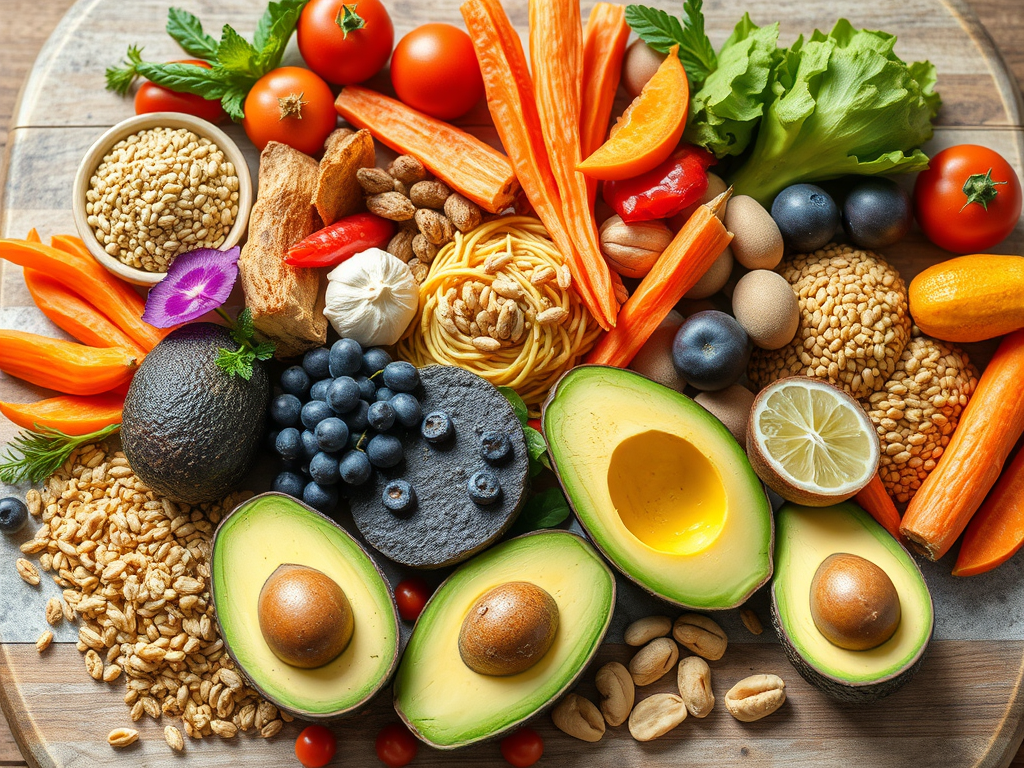
Who hasn’t heard that the best diet you can follow is to “eat everything in moderation”? I have heard it too. And honestly, I have even used it to make and even justify bad nutrition choices in the past. But today, with the point of view of a nutritionist, I do not think this is proper advice. Because we should not eat everything in moderation. At all.
But first and foremost:.
What does “in moderation” mean?
I can think of two answers:
- Equally. Eat all foods in a balanced way, “in moderation”, without prioritizing anything. But if scientific evidence proves that, for example, apples are health promoting, whereas bacon is detrimental, why should apples and bacon be treated equally, nutrition wise? Or whole foods versus ultra processed food? Or lard versus avocado?
- As little as possible. Nobody tells you to eat apples or broccoli in moderation. That’s why this second definition of moderation makes more sense to me. Drink alcohol in moderation. Eat bacon in moderation. The reading is: less is better.
So nutrition wise, eating everything in moderation makes little sense. A better advice would be to prioritize the foods that we know are health promoting, and minimize the foods that are health detrimental.
Eating for physical health
Physical health is one the seven pillars of holistic health. An important one, but there are other six areas that have great relevance in optimizing our wellbeing. We will cover those later.
If we want to maximize our physical health, the approach is simple: focus on foods that are health promoting.
Here’s my blueprint of what to eat for physical health:
- Whole or minimally processed foods, instead of ultra processed ones.
- Plenty of vegetables of all the colors. Each color has unique health benefits, so we want to eat the rainbow.
- Whole grains instead of white grains. Whole grains are less processed and richer in fiber, which keeps our blood sugar and energy levels stable, and our gut happy.
- Healthy fats, preferably in their whole food like avocados, nuts, seeds and fatty fish. This provides us with other valuable nutrients like fiber or protein. Oils are a processed food and therefore they should be used sparingly, just as condiment and not as cooking vehicle: for drizzling, in dressings, for sauteing, and not frying. The best oils are extra virgin olive oil, avocado, hemp and walnut, for their content in omega-3 fatty acids. The reason why fats, even healthy ones, need to be used sparingly is because of their low nutritional density (high calories for the amount of nutrients). We do need fats though.
- Lean proteins, preferable from vegetable sources like beans, or white meats or small fish. This allows us to address #4 at the same time (healthy fats, sparingly).
- Make water your main source of hydration, along with caffeine-free herbal teas.
- Aim for at least 70% of your diet coming from plant sources. Ideally 90%. Plants have fiber, usually healthy fats, and a myriad of phytonutrients with bonus health benefits. Animals don’t have either fiber, nor phytonutrients.
Eating for holistic health
The other six dimensions of holistic health are mental, occupational, intellectual, social, community and spiritual health. Eating foods that might not be the best for our physical body can, paradoxically, help us in some of these dimensions.
I am referring to the pizza night out with friends, which promotes our mental and social health; the happy hour to connect with our colleges outside working hours; the cultural food, like a heavy, meat based Christmas dinner, that promotes our community, social and even potentially spiritual health. Eating ethic foods we are not familiar with, like high fat curries rich in saturated fat from coconut milk, can help us with our intellectual health.
So in this context yes, “eating everything in moderation”, understood as occasionally and minimally, can promote our wellbeing.
Using food as coping mechanism
The exception to the previous rule is when we need to cope with stressors and other mental health challenges. In this case, using food is not going to promote our mental health. The pint of ice-cream because you are feeling depressed, or heavy drinking because you are overwhelmed, might provide short-lived relief, but they are not going to solve the underlying issue and actually they can make you feel worse afterwards, once the feast is over.
Instead, healthy coping mechanisms provide a better outcome.
Some examples of healthy copping mechanisms are:
- Breathing exercises
- Creative outlets, like painting, dancing, cooking, writing, crocheting, etc.
- Physical exercise
- Yoga
- Meditation
- Restful sleep & sleep hygiene
- Balanced, physical health promoting diet
- Talking to friends or family
- Leisure activities like reading, going to the movies, visiting museums, day trips, etc.
- Therapy or professional help
These practices can provide long lasting relief, and even short out the root issue, eliminating the need that has triggered the coping mechanism.
In summary
Holistic wellbeing is multi dimensional and food can help us, or bother us, in each of its dimensions.
For physical health, eating a diet focused on whole foods, multi-colored vegetables, whole grains, healthy fats, lean protein and water, mostly from plant sources, is going to help us.
For all the other dimensions, we can have flexibility with our choices as long as it is done occasionally and not as coping mechanism.
Your call to action
This month, I invite you to review your usual diet, compare it with my 7-step blueprint and identify areas where you could enhance it.
If you are using food as a coping mechanism, I also invite you to pick one from my healthy coping mechanism list and try that instead. If that doesn’t work, you might want to try another one. You might want to consider checking with a health professional if you have a persistent underlying issue that is triggering the mechanism. A health coach is a good place to start, and we can refer you to other professionals if needed.
Be well,
Isabel
 thrivebytheslice.com