
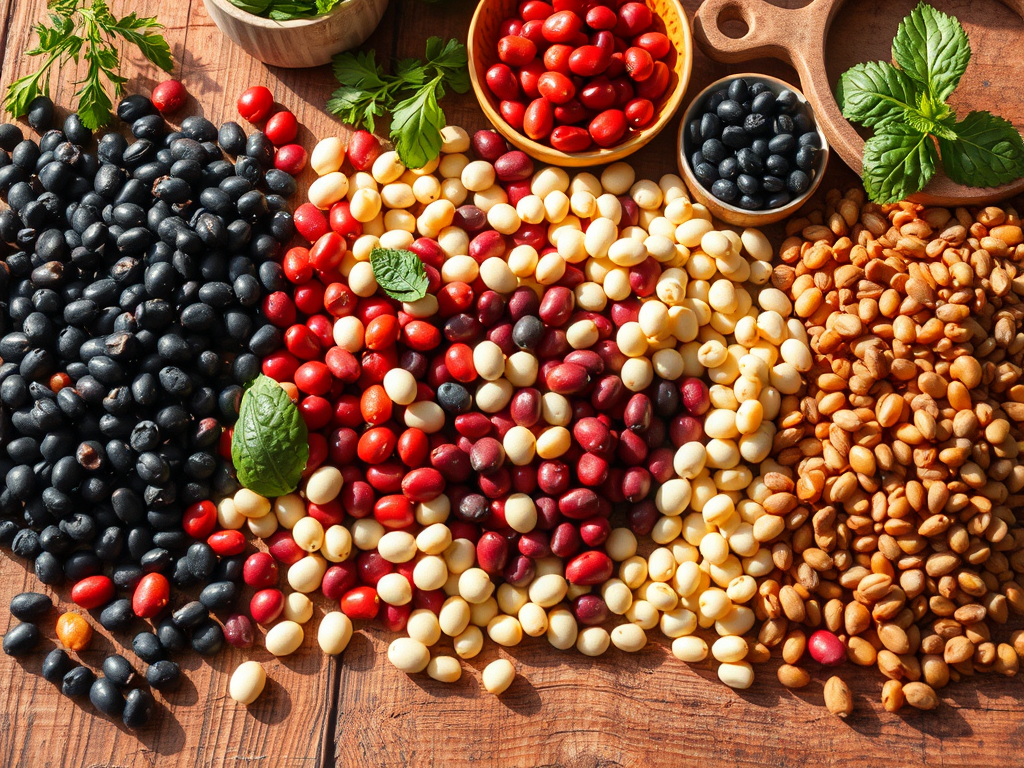
Beans usually get a bad rap. In my experience, they are thought to be high in calories, high in carbs, difficult to digest, and with low quality protein content (“incomplete”). Furthermore, in some countries, like my country of origin, they are usually consumed in heavy dishes loaded with fat and animal products (judías con chorizo, lentejas con costillas, fabada, cocido madrileño, for example). No wonder why many, including myself for many years, avoid them.
Interestingly, if we had to choose a single food, perhaps the most perfect food available from the nutritional and environmental points of view, a real “superfood”, that would be beans. Cheap, nutritious and satiating, they are available in multiple shapes, forms and colors. And they are really delicious and versatile. But they have to be prepared the right way.
In this article, the third one of my “superfoods” series, I am going to be explaining why beans are so wonderful and how to make the most of them, without the downsides. I will talk about beans as pulses or legumes, a general concept, and this includes lentils, chickpeas and all types of beans themselves (white, red, kidney, black, etc.).
Beans, a nutritional gem
Beans contain all the macro nutrients we want more of, that is, protein, fiber (both soluble and non soluble) and complex carbohydrates. And zero of the ones we don’t want much, like free sugar, saturated fat or cholesterol.
Beans are rich in key micronutrients like iron, magnesium, zinc, calcium, potasium; as well as B vitamins. The combination of potasium and magnesium is specially helpful for regulating blood pressure, and iron is vital to create red blood cells. Beans are usually labeled as heart-healthy as a result of its low fat and high fiber makeup, and their content in these heart protecting micronutrients. And its soluble fiber content is specially helpful to manage cholesterol level, through multiple mechanisms.
Furthermore, fiber prevents glucose spikes in blood, and therefore beans help manage insulin resistance and diabetes by regulating blood sugar. For this same reason, they can manage body weight, by avoiding blood sugar crashes and increasing satiety.
Beans are packed with phytochemicals and antioxidants, which can combat different types of cancer like lung, colon, breast, esophagus and stomach.
Last but not least, they help with constipation and hemorrhoids, again due to the fiber they have.
But don’t beans have “anti nutrients”?
Yes, they do. If this concept is new to you, it means that some components present in beans can hinder the absorption of the good ones they have.
The easiest way to reduce the antinutrient content is to always soak your beans and cook in fresh, clean water at high temperature, two things we usually do anyway. Smaller beans like lentils don’t technically need soaking as they cook fast, however, you’d always want to soak them anyway to remove the antinutrients. And please don’t use a slow cooker to cook beans. I know that the slow temperature, long time cooking may develop delicious flavors, but it won’t help nutritionally. Actually, the opposite, that is, the pressure cooker, is ideal, as it cooks beans at a higher temperature (and faster!).
How to cook and eat beans so they don’t cause digestive distress?
The two things I recommended above, soaking and cooking at high temperature, will help soften the beans and remove those components that can difficult the digestion. A few more ideas:
- Add some aromatic herbs, like parsley, to the cooking water. Something a little more exotic but a well-known trick is to add a piece of kombu algae to the cooking water. You can fin kombu at Whole Foods, and probably other health stores as well.
- Make sure you cook beans well until they are soft. Even better, eat pureed beans, like hummus or other dips. You know what I am getting at: the softer the bean, the easier the digestion. “Al dente” is for pasta, not beans!
- If you are not used to eating beans, please start with small amounts so your body gets used to it. Then slowly, increase the amount.
- Do not add animal fatty products, specially animal ones, to bean dishes.
- Do not add salt to the cooking water. If cooking a stew, add it towards the end. Salt makes beans tougher, and we want soft beans.
Are canned beans OK?
Yes! Ideally we would want to cook our beans from scratch, but realistically, this is not going to always happen.
When choosing plain canned beans, it’s best to opt for low sodium versions. Beans are inexpensive, so you may want to choose organic, which will still be inexpensive compared to other foods. If possible, choose BPA free cans. Some stores like Whole Foods offer boxed beans too.
For canned recipe beans, like chilis, refried beans, baked beans, lentil soups, etc., please check the sodium, fat and added sugar content. It is going to be hard to find options low in sodium though. As long as you don’t have a medical condition, and that you use it occasionally, it’s fine. For example, a quick, easy and nutritious meal is a jacked (loaded) potato cooked in the microwave, and topped with canned chili or baked beans.
Here are my favorite canned beans:
- Plain beans: Trader Joe’s, Great Value (Walmart) or Aldi organic canned beans.
- Trader Joe’s Fat Free refried beans
- Trader Joe’s organic vegetarian chili
- Bush Zero Sugar added baked beans
Beans are also good for the environment
Beans are considered a more environmentally friendly source of protein than animal products, requiring less water, land, and energy to produce, and reducing greenhouse gas emissions:
- Greenhouse Gas Emissions: Beans produce significantly lower greenhouse gas emissions than many other protein sources, especially animal products like beef.
- Water Conservation: Beans require less water to grow compared to crops like corn and wheat, and animal feed production.
- Soil Health: Beans can improve soil health by fixing nitrogen from the atmosphere, reducing the need for synthetic fertilizers.
- Reduced Fertilizer Runoff: By fixing their own nitrogen, beans reduce the need for nitrogen fertilizers, which can lead to less fertilizer runoff, protecting water quality.
- Land Use: Beans require less land to produce a similar amount of protein compared to livestock, making them a more sustainable food source.
- Biodiversity: Cultivating beans can support agricultural biodiversity and help maintain healthy ecosystems.
- Sustainable Agriculture: Beans can be grown in a variety of climates and soil types, making them a sustainable option for farmers.
- Reduced Dependence on Animal Agriculture: Swapping beef for beans can help reduce methane and carbon dioxide emissions, two of the gases that have negative impact on the atmosphere.
How to eat beans, the healthy way
Beans are delicious in:
- Salads, on its own like a white bean or chickpea salad, or mixed with grains like quinoa. Add a few veggies like diced tomatoes, red peppers, scallions, parsley or avocado. Dress it with mild salsa, lemon or lime juice, or vinegar.
- Dips, like classic chickpea hummus, or fancier ones like white bean and dried tomatoes. For the basic hummus recipe, blend 1 cup of cooked or canned chickpeas with 1/4 cup tahini, 1 garlic clove, 3 tbsp lemon, salt, pepper and cumin (optional). Add iced water until you reach your desired consistency. Here is another hummus recipe, suitable for gut friendly, low FODMAP hummus.
- Tacos. I specially love green lentils and black beans for this. Make a quick filling with roasted or microwaved sweet potatoes, avocado or guacamole, scallions and black beans.
- Lentils work really well as ground meat replacement. See my plant-based bolognese recipe here. For a fancier recipe, check out my lentil-stuffed squash dish.
- Buddha bowls. I love buddha bowls! I follow the Harvard plate when I make my bowls: 1/2 veggies, 1/4 carbs and 1/4 protein. When using beans, they count as both protein and carb, so you can fill up 1/2 plate. Or do 1/4 beans as protein, 1/4 grains as carbs. A nice creamy dressing and some sprinkled nuts and seeds round it up.
- Soups, lentil soups are my favorite. Red lentils, which are very soft and creamy, are perfect for this. See my green lentil soup recipe here.
- Indian inspired recipes like chana masala (chickpeas with tomato), dhals and curries. Watch out for recipes high in coconut milk though. Check out my chana masala recipe and red and black bean dhal recipe.
- Mexican inspired recipes like chilis. These are super tasty and quick. Check out my black bean and kale chili recipe.
- Meatballs and burgers, like the classic black bean burger, but you can also use chickpeas or lentils.
Your call to action
Beans are good for your health, your wallet, and the environment!
This month of April, I encourage you to eat beans at least twice a week. If you eat meat, you may want to try replacing for example beef burgers by bean burgers. Or do bean tacos in taco Tuesday.
Just remember to start with small doses if you are new to beans!
Questions? Comments? Drop a note below!
 thrivebytheslice.com