

Soy (or soya, like they call it in other English-speaking countries)… interestingly, this food has been a staple for centuries is the Western cultures, whereas in the Eastern world, it has been controversial. Fortunately, the misunderstanding around soy consumption has been sorted out and now it is considered a nutrition dense food anywhere in the world.
In this article, the second one about nutrition dense foods (or “superfoods”, although I prefer to avoid this term), I will discuss the health benefits of soy, debunk the myths based on the latest research, and provide ideas about how to incorporate it in our diet.
What is soy?
The soybean, soy bean or soya bean, is a species of legume native to East Asia, widely grown for its edible bean, which has numerous uses.
Traditional unfermented food uses of soybeans include edamame (fresh soybeans) and soy milk, from which tofu is made. Fermented soy foods include soy sauce, tamari, miso, and tempeh. Textured vegetable protein (TVP) is made of crushed and de-fattened soybeans and is a common substitute for meat in plan-based diets.
Soy is also used for animal feeds. In fact, most of the soy is grown for animal consumption, and only a small fraction is intended for human consumption.
What makes soy unique?
Soybeans have a unique make up of nutrients, not found in any other food:
- Protein: soybeans contain all the 9 essential amino acids in the right proportions, making it a high quality, complete plant-based protein source.
- Fibre: unlike animal-based protein sources, soy contains fibre, which helps with GI health.
- Fats: most of the soybean fats are polyunsaturated and therefore promote cardiovascular health. Soy oil is produced by extracting this fat from the beans.
- Micronutrients: phytic acid, dietary minerals and B vitamins.
- Nutraceuticals like phytoestrogens: chemical compounds with protective and health-promoting characteristics.
Why eat soy foods?
Because it will enhance our health.
Frequent soy consumption has been shown to:
- Improve cardiovascular health by lowering cholesterol via multiple mechanisms, and reduce blood pressure.
- Reducing the risk for certain cancers, such as breast, colon and prostate.
- Preserve kidney function in diabetics as well as improved diabetes control.
- Help keep bones healthy and prevent osteoporosis.
- Easy unpleasant symptoms of menopause, like hot flashes.
Soy’s superpower: isoflavones
Many of the benefits of soy are the result of its content on isoflavones, a type of phytoestrogen. Phytoestrogens are plant-derived chemicals that are structurally similar to the hormone estrogen and therefore can exert weak hormone-like effects in the body. We know that estrogens protect women from heart disease, and the phytoestrogens work in much the same way.
Regarding cancer protection, research has found that due to their chemical similarity with the body-produced estrogens, soy isoflavones can attach to cell estrogen receptors, consequently blocking the binding of real estrogens. This results on a reduced the risk of development of hormone related cancers like breast and prostate.
4 myths about soy, debunked
Myth 1: soy crops are cause of major deforestation
According to the International Institute for Sustainable Development (IISD), in 2024 76% of the world’s soy was fed to farmed animals. In contrast, only a modest 20% of the world’s soy is used for humans, including soybean oil production. The Sustainable Nutrition Initiative (SNI) indicates that traditional soy-based foods such as tofu, soy milk, tempeh, and edamame beans make up just 7% of soy use.
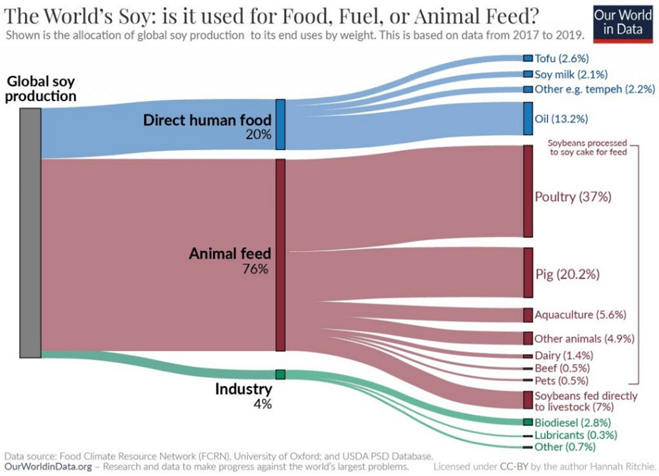
So yes, soy crops cause deforestation but there’s an important nuance: soy crops used for animal feeds are the real cause of deforestation, whereas soy crops for human consumption are not a big contributor.
In order to reduce deforestation by soy crops, the best approach is to reduce animal-based product consumption, especially chicken and pork; not human soy consumption.
Myth 2: soy causes cancer
This idea is based on studies with rodents exposed to high doses of isoflavones that showed an increased risk of breast cancer. But the same results have not been seen in people, as humans process soy differently, and especially if soy is consumed in moderate doses through food. To err on the safe side, it’s best to avoid supplements, which usually provide high doses of isolated isoflavones, and opt for whole or minimally processed soy foods like edamame, soy milk or tofu.
By the way: wouldn’t it be nice if we had the same concern about alcohol and processed meats consumption? Research has demonstrated that they do increase cancer risk.
Myth 3: soy is bad for thyroid heatlh
This is only true for people with thyroid condition that requires medication. Soy does interfere with thyroid prescriptions, reducing their efficacy, but just like other cruciferous like broccoli or Brussel sprouts do. The way to work around this is simply separate the intake at least 4 hours: for example, taking the thyroid prescription early in the morning, and then having tofu for lunch or dinner. Please check with your health provider before following this advice.
Myth 4: Soy is not a good source of protein
Soy contains all the 9 essential amino acids, and it is an excellent source of protein. Actually, it is much better than some processed animal-based protein like sausages or surimi.
Your soy protein prescription
The Food and Drug Administration (FDA) and the American Heart Association (AHA) recommends to eat 25-50 grams of soy protein per day.
You can achieve this easily with a cup of soy mik (8 grams) with your breakfast and 6 oz of tofu (20g) with your lunch or dinner.
Foods rich in soy protein
Some good sources of soy protein are:
- 3 oz tofu — 6 to 13 grams
- 3 oz silken tofu — 6 grams
- 8 oz plain soy milk — 3 to10 grams
- 1/4 cup (1 oz) soy nuts — 12 grams
- 1/2 cup (4 oz) tempeh — 16 to 22 grams
- 2/3 cup (3 oz) edamame — 6 grams
- 1/2 cup rehydrated textured vegetable protein (TVP) — 12 grams
How to incorporate more soy in your diet
- Replace cow milk with soy milk (preferable plain, unsweetened and fortified with Calcium and vitamin D.
- Veganize recipes: replace chicken or fish with extra firm tofu. Tip: if replacing fish, add kelp or nori for fishy flavor.
- Add medium, soft of silken tofu to soups and creams.
- Use silken or soft tofu in dressings (we’ll talk about nutritious dressings in a later – instead of just oily calorie bombs).
- Edamame pods as snack.
- Add edamame beans to salads or grain bowls.
- Guacamole variations: blend guacamole with tofu or edamame. Bonus: increased protein content.
- Use tempeh in stir fries or as filling in sandwiches.
- Make grilled tofu sandwiches.
- Add Raw marinated tofu in salads.
- Tofu scramble and variations. See my Huevos pericos recipe here.
- Tofu skewers.
- Silken tofu as egg replacement in quiches and pies.
- And many more!
Your call to action
If you think you could benefit from soy protein consumption, I invite you to implement some easy changes in your diet:
- Replace your usual milk with soy milk (plain, unsweetened, calcium and vitamin D fortified). Soy milk is found in the dairy sections of the grocery stores.
- Add edamame beans to your salads or bowls. These are easily found frozen in most large grocery stores, in the frozen vegetable section.
- Replace ground beef with TVP in Bolognese-style sauces and fillings. TPV can be found in health stores and online, and also in some large grocery stores. Follow the package instructions for rehydration, and use the same as beef.
You may also want to check out my tofu and tempeh recipes:
- Tofu Scramble Recipe: Colombian Huevos Pericos Made Vegan
- Sesame eggplant, shiitake and tempeh
Be well,
Isabel
Note: soy consumption is considered safe for healthy individuals. If you have any health condition, please check with your health provider.
 thrivebytheslice.com